

- 2 Days – Orientation
- 8 days – Professional Development Workshop for teachers
- 8 days – School Based Support (2 rounds, with 4 days each for a batch of 20 teachers

Empowered by Collaboration: Achieving More, Together
19
Aug
Posted by: Rashmi Sethuram
Category:
The Power of.....
No Comments

In the landscape of Indian education, collaboration has the potential to transform learning experiences and outcomes. Drawing from personal experiences, the profound impact of collaborative efforts in Indian classrooms becomes evident. Here are two personal anecdotes that highlight the power of collaboration in fostering a supportive and dynamic learning environment.
Experience 1: The Magic of Peer Learning
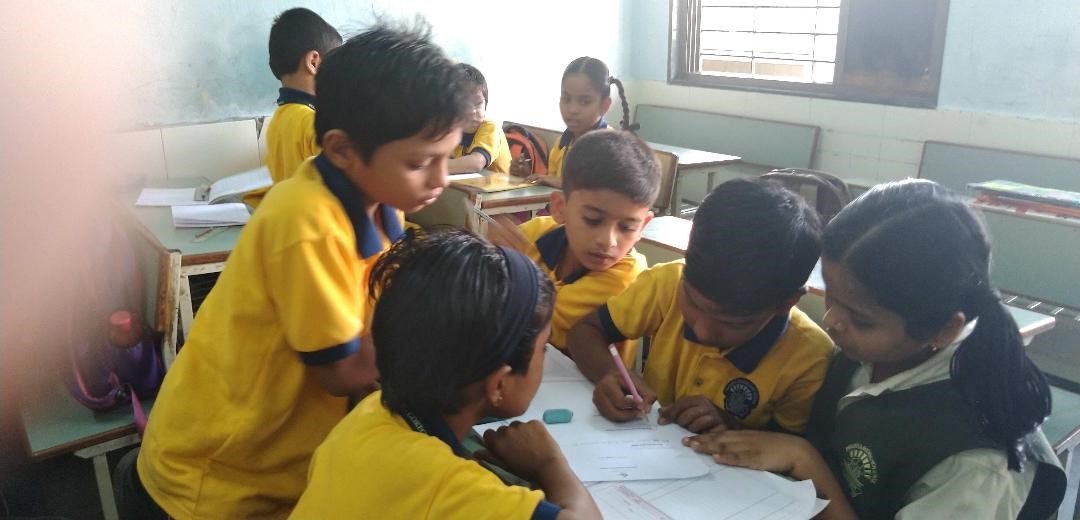
During my time observing teachers as part of a teacher training project for affordable private schools, I witnessed the remarkable benefits of peer learning in a Mathematics classroom at a secondary school in Mumbai. Mathematics, often perceived as a daunting subject, was particularly challenging for a group of students in the class. To address this, the teacher decided to implement a peer learning strategy.
I saw student pairs with varying levels of proficiency in mathematics, encouraging each other to work together on problem sets and assignments. One student, was particularly struggling with algebraic concepts. He was paired with another student who excelled in the subject and had a knack for explaining concepts clearly.
Over the next few weeks, the transformation in students was evident. Students not only developed a better understanding of the subject matter, but also built strong bonds of friendship and mutual respect.
The success of this approach extended beyond just the “learning buddies’’. The entire class became more cohesive, with students more willing to help and learn from each other. This collaborative environment fostered a sense of community and shared responsibility for each other’s success, making learning a more inclusive and supportive experience.
Experience 2: Group Projects that Inspire Innovation
Another striking example of the power of collaboration occurred in an environmental science class as shared by an educator at a high school in Ahmedabad. The subject teacher assigned a group project where students were tasked with creating sustainable solutions for their local community. The class was divided into small groups, each given the freedom to choose their project focus.
One group, comprising students with diverse interests and strengths, chose to address the issue of paper waste. The collaboration within the group was inspiring. One student passionate about research, gathered data on paper waste in the community. Another a creative thinker, designed a prototype of a machine that could convert paper waste into usable products like recycled bags. The third student who had strong communication skills, led the group’s efforts to raise awareness about their project through social media and engaging the local community.
The project culminated in a presentation that was not only innovative but also practical. The group’s solution drew attention from local community leaders, highlighting the real-world impact that collaborative efforts can achieve. This experience taught the students valuable lessons in teamwork, problem-solving, and leadership. It also showed them the tangible difference they could make when working together towards a common goal.
These personal experiences from classrooms illustrate the transformative power of collaboration. Whether through peer learning or group projects, collaboration fosters a supportive learning environment where students can thrive. It builds essential skills such as communication, critical thinking, and empathy, preparing students for future challenges both inside and outside the classroom.
As we delve into the essence of collaboration, it becomes evident that this approach is not merely an educational strategy but a vital element for nurturing well-rounded, empathetic, and innovative individuals. Some of the benefits it offers are:
Enhancing Critical Thinking and Problem-Solving Skills
Collaboration encourages students to think critically and solve problems collectively. When students work in groups, they are exposed to different viewpoints and ideas. This diversity of thought helps them approach problems from various angles, enhancing their critical thinking skills. In an Indian context, where rote learning has often been emphasized, this shift towards critical analysis and creative problem-solving is crucial for preparing students for real-world challenges.
Building Social and Communication Skills
Collaborative learning also plays a pivotal role in building social and communication skills. Indian classrooms, which can be diverse and multicultural, benefit immensely from activities that require students to communicate effectively, negotiate, and work towards common goals. These interactions help students develop empathy and respect for others’ perspectives, laying the foundation for a more inclusive and harmonious society.
Fostering a Sense of Community
A collaborative classroom environment fosters a sense of community and belonging among students. When students work together towards common objectives, they build strong relationships based on trust and mutual respect. This sense of community is particularly important in India, where classrooms can sometimes be large and impersonal. Collaboration ensures that every student feels valued and included, enhancing their overall learning experience.
Leveraging Technology for Collaboration
In the digital age, technology can significantly enhance collaborative efforts in classrooms. Tools such as Google Classroom, Microsoft Teams, and various educational apps provide platforms where students can collaborate seamlessly, regardless of physical distance. These technologies enable real-time communication, file sharing, and collaborative projects, making learning more interactive and engaging.
 Practical Strategies for Implementing Collaboration
Implementing collaboration in classrooms requires thoughtful planning and execution. Here are some practical strategies:
- Group Projects and Assignments: Encourage students to work in groups for projects and assignments. This not only fosters collaboration but also allows students to learn from each other.
- Peer Teaching: Implement peer teaching sessions where students teach each other. This reinforces their understanding of the subject and builds confidence.
- Collaborative Tools: Utilize collaborative tools and platforms that facilitate group work and communication.
- Interactive Activities: Incorporate activities such as debates, discussions, and role-playing that require students to interact and collaborate.
- Reflective Practices: Encourage students to reflect on their collaborative experiences, discussing what worked well and what could be improved.
Overcoming Challenges
While the benefits of collaboration are clear, there are challenges that need to be addressed. These include ensuring equal participation, managing group dynamics, and providing adequate support to students. Teachers play a crucial role in facilitating collaboration, guiding students, and creating an environment where every voice is heard and valued.
Conclusion
In embracing collaboration, educators can create dynamic and inclusive classrooms that harness the collective strengths of their students, driving both academic success and personal growth. The power of collaboration lies in its ability to bring out the best in every student, making education a truly enriching and empowering experience. In the end, collaboration is not just a teaching strategy; it is a philosophy that celebrates the collective wisdom and strength of working together.
Nidhi Soni
Centre Head, Mumbai
The Teacher Foundation