ISELF – Taking SEL from Concept to Classroom is a two-day experiential professional development workshop developed by The Teacher Foundation to help educators meaningfully integrate Social and Emotional Learning (SEL) into everyday classroom practice.
In today’s complex world, academic knowledge alone is not enough. Students need strong social and emotional competencies to manage challenges, build relationships, and engage deeply with learning. This workshop helps teachers and school leaders understand how SEL strengthens student wellbeing, classroom climate, motivation, and academic engagement.
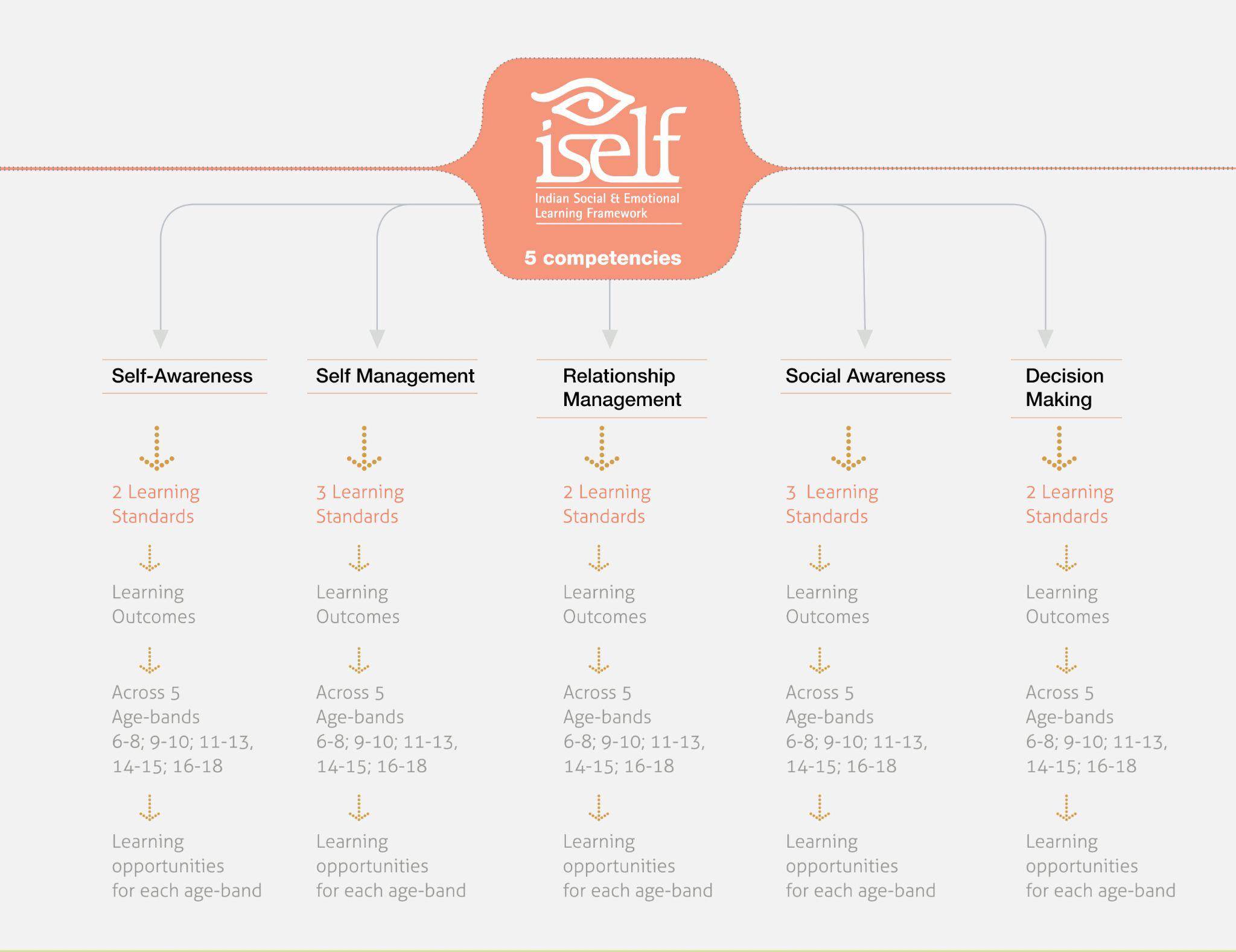
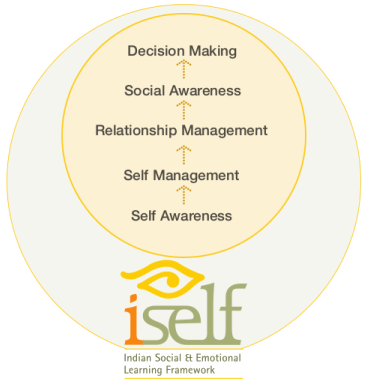
Anchored in the Indian Social and Emotional Learning Framework (ISELF), the programme supports educators in moving beyond token activities to create intentional, inclusive, and nurturing learning environments.
Through a highly interactive and reflective learning experience, participants explore the five core SEL competencies:
- Self-Awareness
- Self-Management
- Social Awareness
- Relationship Management
- Responsible Decision-Making
The workshop blends participatory activities, storytelling, reflection, dialogue, and practical classroom application, helping educators translate SEL principles into meaningful teaching practices.
By the end of the programme, participants develop a clear understanding of SEL in the Indian context and gain practical strategies to create safe, responsive, and emotionally supportive classrooms where students can thrive both academically and personally.
This programme is ideal for teachers, school leaders, counsellors, and educators committed to building holistic learning environment.